Knowing whether transactions between a local taxpayer and its related companies or companies resident in non-cooperative countries or territories, or in countries or territories with low or no taxation, were conducted at market values offers several benefits.
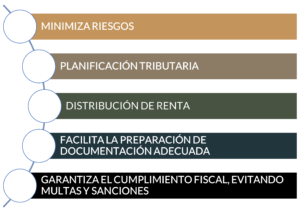
- Minimizes risks: The tax authority seeks to ensure that transactions between related parties are conducted at market prices. Therefore, knowing the results in advance before the fiscal year-end allows you to identify potential risks and correct any deviations or inconsistencies in your transfer pricing policies.
- Tax planning: Conducting a preliminary transfer pricing analysis—using figures from interim financial statements and focused on drawing economic conclusions about the transactions carried out—can be a valuable tool for both the taxpayer’s management and its external auditors. This provides a strong indication of the company’s compliance with transfer pricing regulations during preliminary reviews conducted prior to the fiscal year-end. Furthermore, this exercise allows for the maximization of the company’s profits based on the results of the market analysis, in accordance with the regulatory framework.
- Income Allocation: Transfer pricing analysis is crucial for both taxpayers and tax authorities, as it significantly influences income allocation and, consequently, the taxable profits of companies located in various tax jurisdictions.
- Facilitates the preparation of appropriate documentation: Having advance knowledge of the operational details of the transactions under analysis helps streamline the process of preparing and applying transfer pricing methodologies to ensure the documentation is properly prepared.
- Ensures tax compliance, avoiding fines and penalties: Compliance with formal transfer pricing obligations is a legal requirement. Taxpayers must file returns as required by the tax authority to avoid potential penalties and fines for noncompliance.
In general, knowing the results in advance of the fiscal year-end benefits the taxpayer by establishing fair market value in its intercompany transactions through an appropriate assessment, with the goal of reducing risks and contingencies with the tax authorities and complying with its formal obligations.